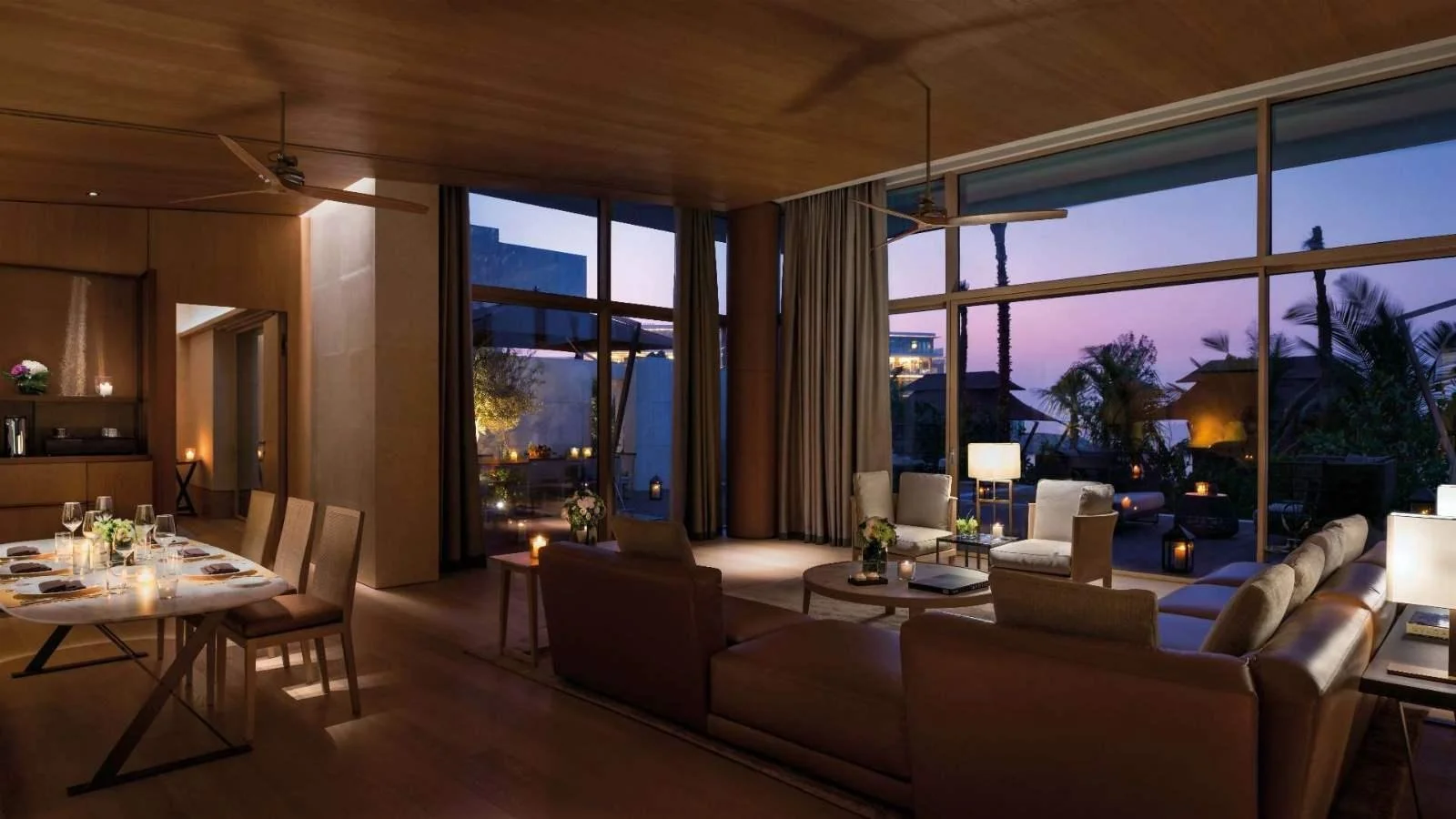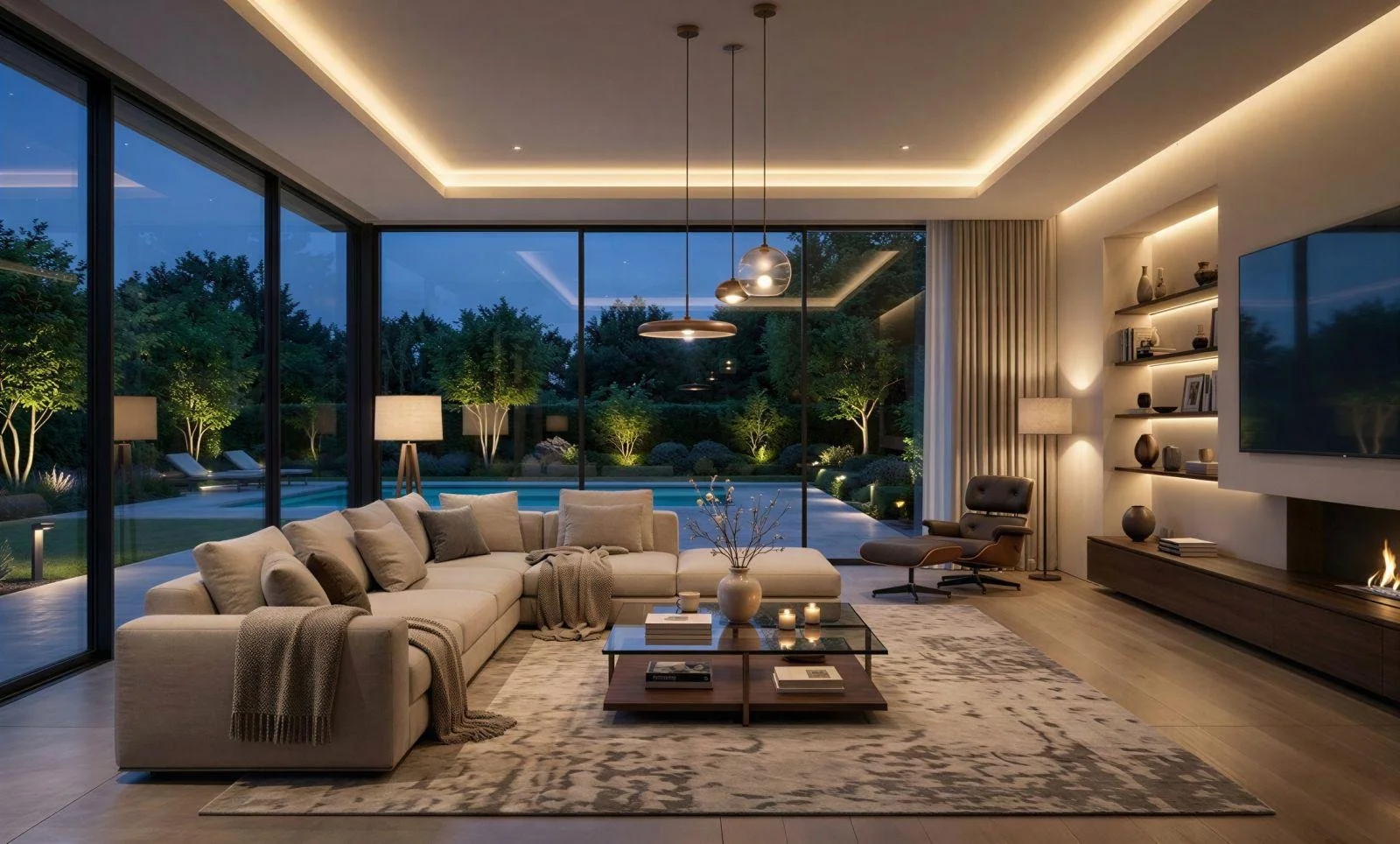
Light influences more than what we see
It can influence how comfortable we feel, how we experience our surroundings and how naturally a space supports us throughout the day
LIGHTING FOR WELLBEING
LIGHTING FOR WELLBEING
The relationship between light and the way we feel
Light has a quiet influence on wellbeing
Light is something we experience constantly, often without consciously noticing it
The quality, intensity and timing of light can influence how a space feels and how comfortable we are within it
Thoughtfully considered lighting can support the different rhythms of everyday life. It can help create an environment that feels appropriate to the time of day rather than one that remains the same from morning until night
The aim isn't to make lighting more noticeable. It is to make the environment feel more natural
Follow the natural rhythm of the day
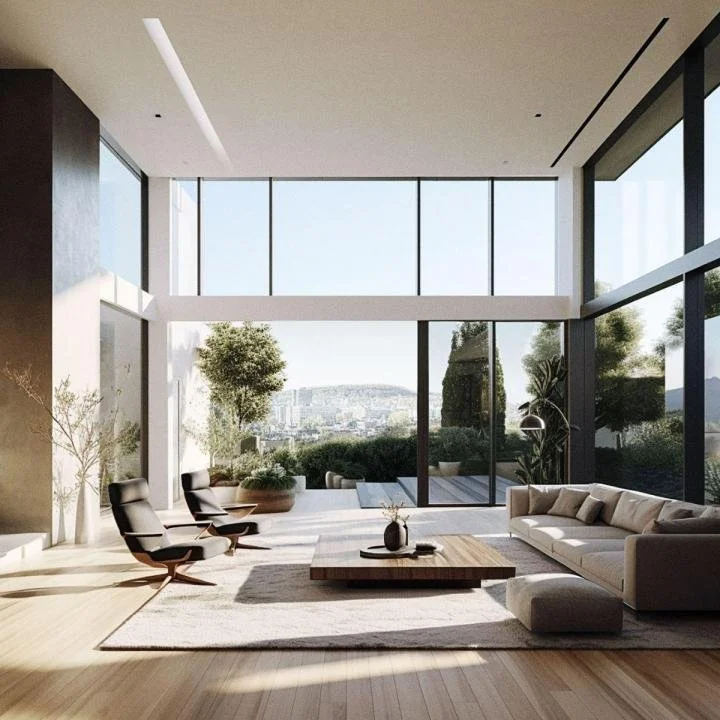
Natural daylight is constantly changing
Its direction, intensity and character shift from morning through to evening. Where possible, considered lighting should work with these changes rather than compete with them
When daylight is available, it should be allowed to do what it does naturally. As it fades, artificial light can gradually take its place
Less artificial light when natural light is enough
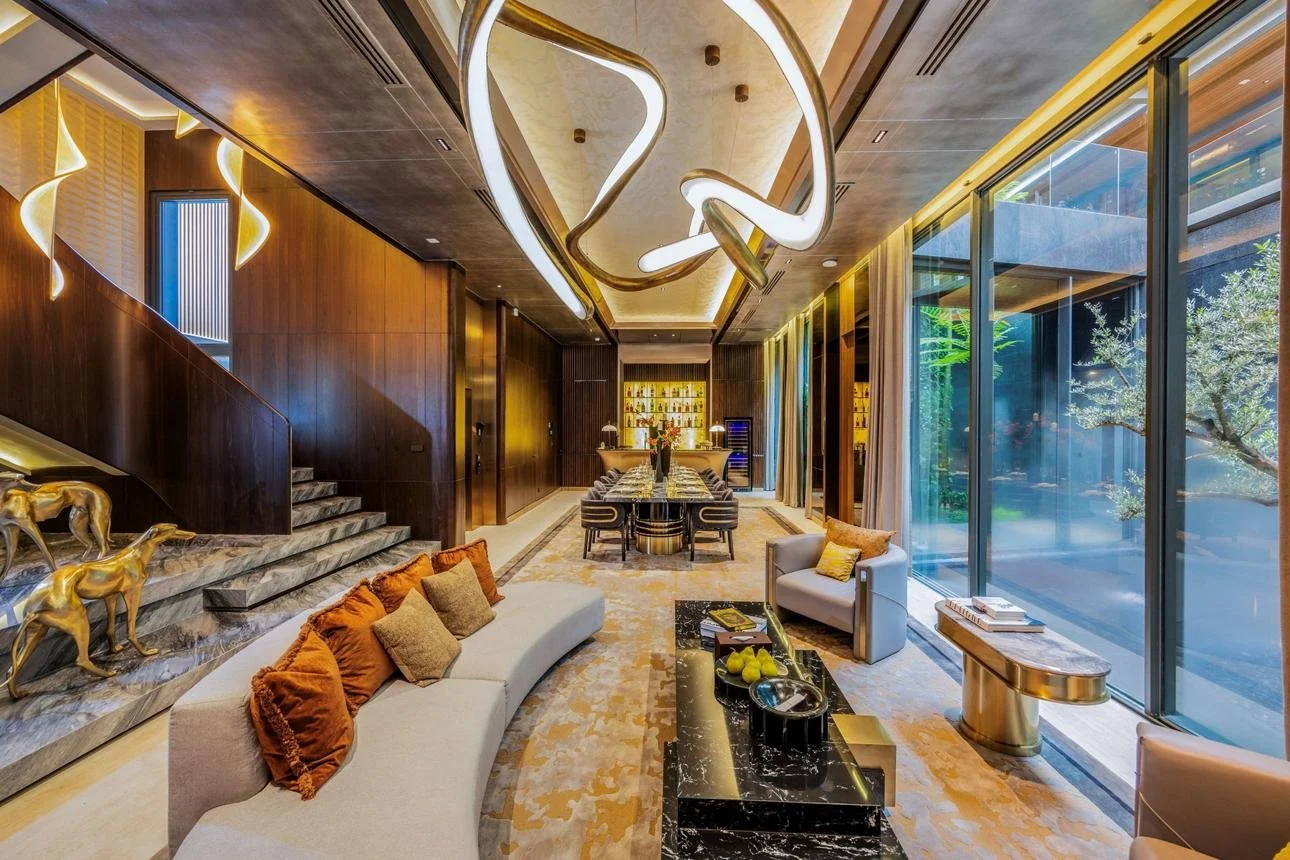
Light that respects the body’s natural rhythm
Our bodies respond naturally to the changing pattern of daylight
Bright, cooler light during the day can support alertness and activity. As evening approaches, the character of natural light changes and becomes softer and warmer
Lighting can follow this progression
Natural Show allows artificial lighting to gradually change in colour and intensity throughout the day, following the natural progression of daylight and the body’s natural circadian rhythm
Rather than switching between fixed settings, the lighting can transition continuously with the time of day
The result