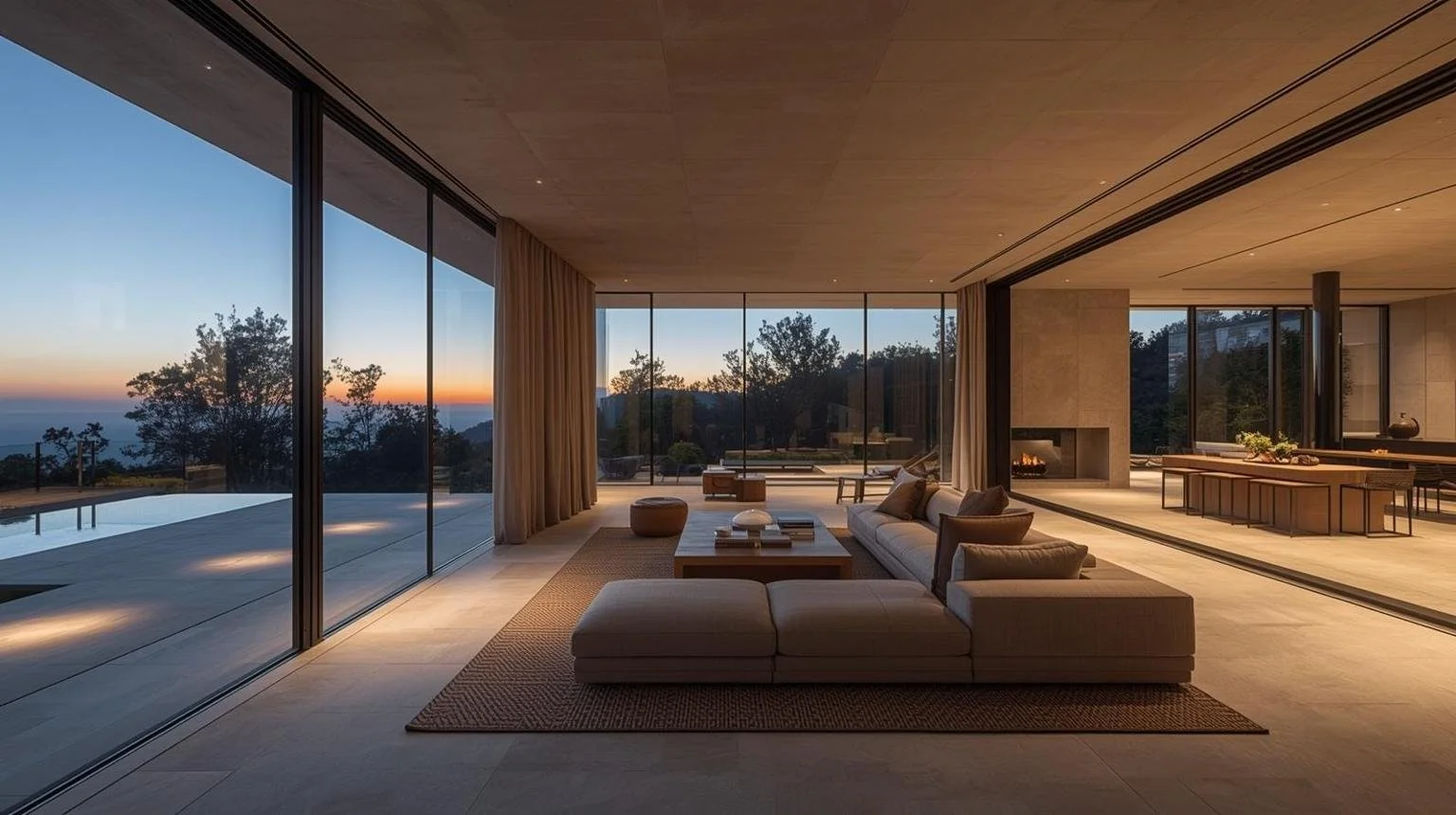
Energy, used intelligently
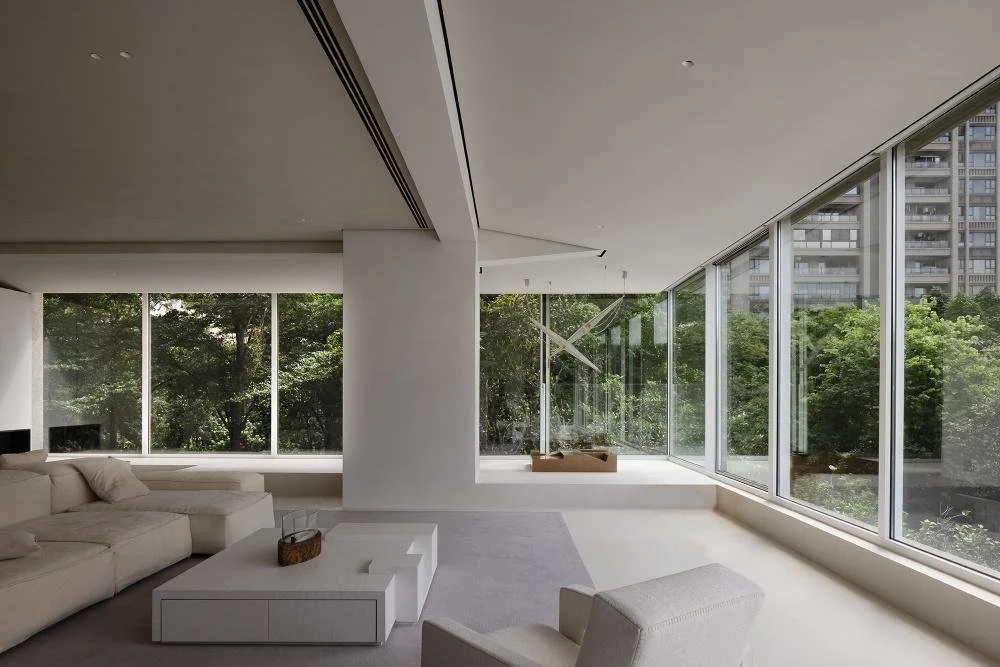
Good lighting control makes better use of energy by providing light when it is needed and reducing it when it is not
Not more light
The right amount
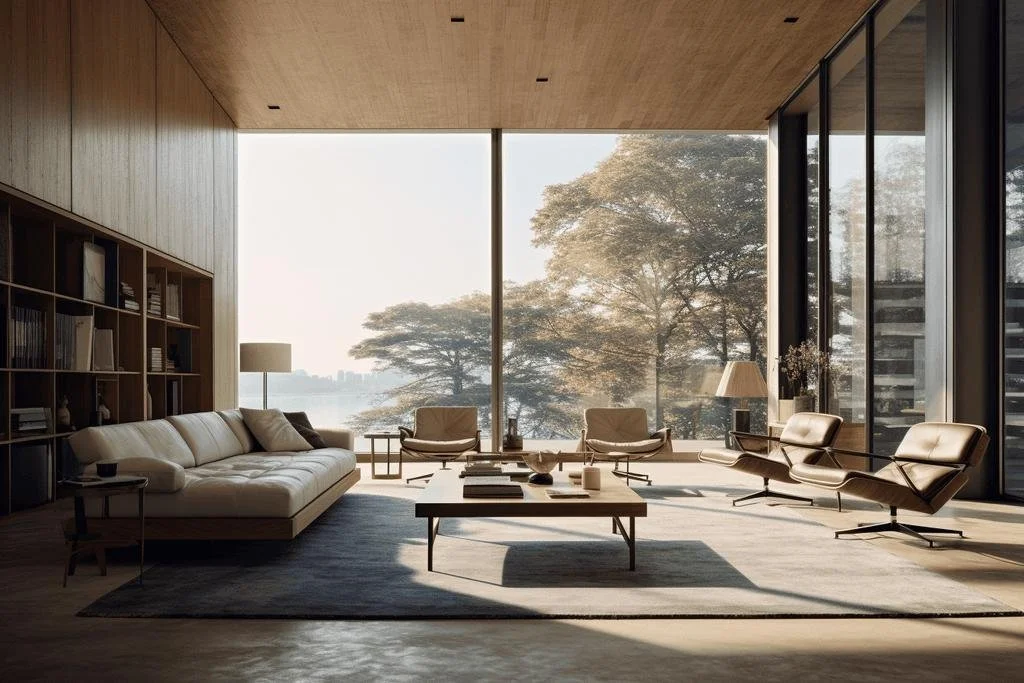
Lighting is often treated as something that is either on or off. But the needs of a room change throughout the day.
As daylight enters a space or a room becomes empty, the need for electric lighting changes too. A considered control system responds to those changes rather than allowing lights to operate unnecessarily.
The aim is not to compromise the quality of light. It is to avoid wasting energy to achieve it.
The difference is measureable
By combining efficient LED lighting with intelligent dimming, occupancy sensors and daylight-responsive controls, energy is used only where and when it is needed
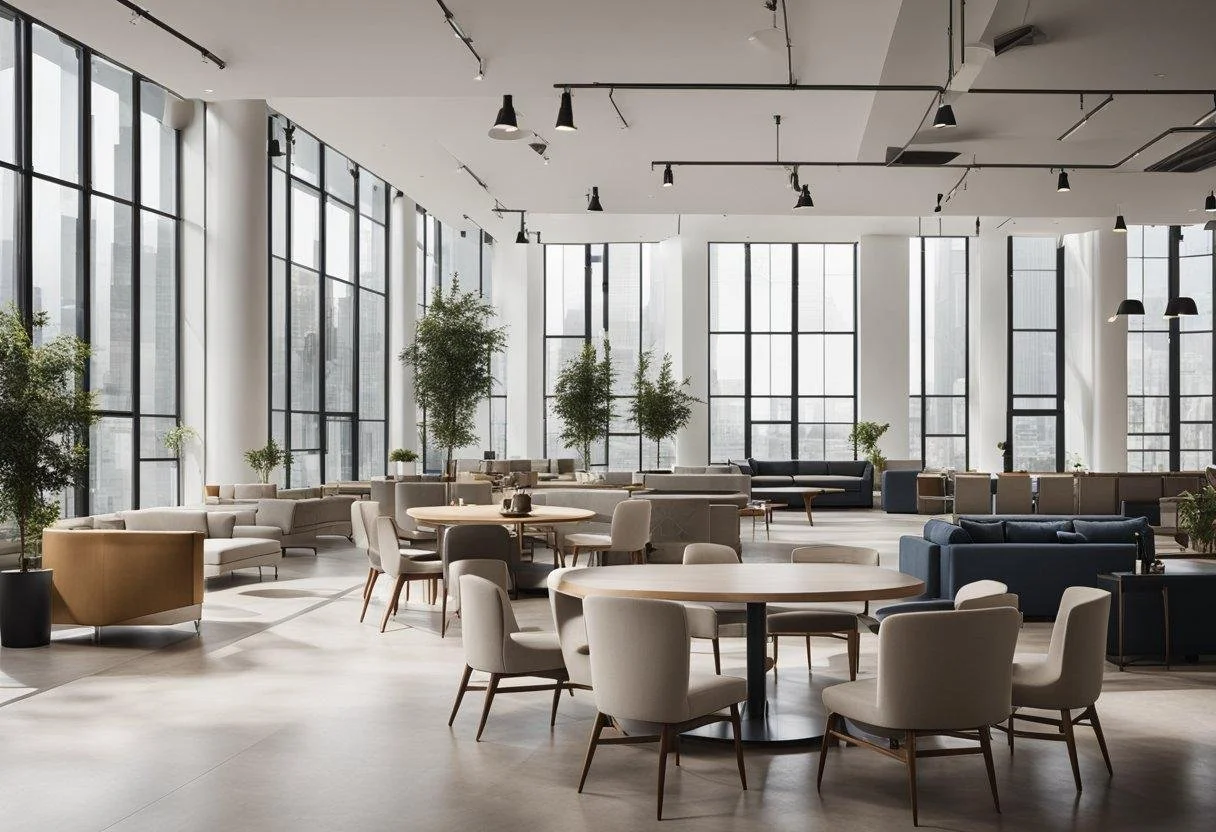
The greatest opportunity often lies in the energy that is unnecessarily used. Lighting controls help address this by responding to occupancy and daylight, adjusting the light output to suit the space rather than leaving it to operate at a fixed level.
A space that responds
Daylight
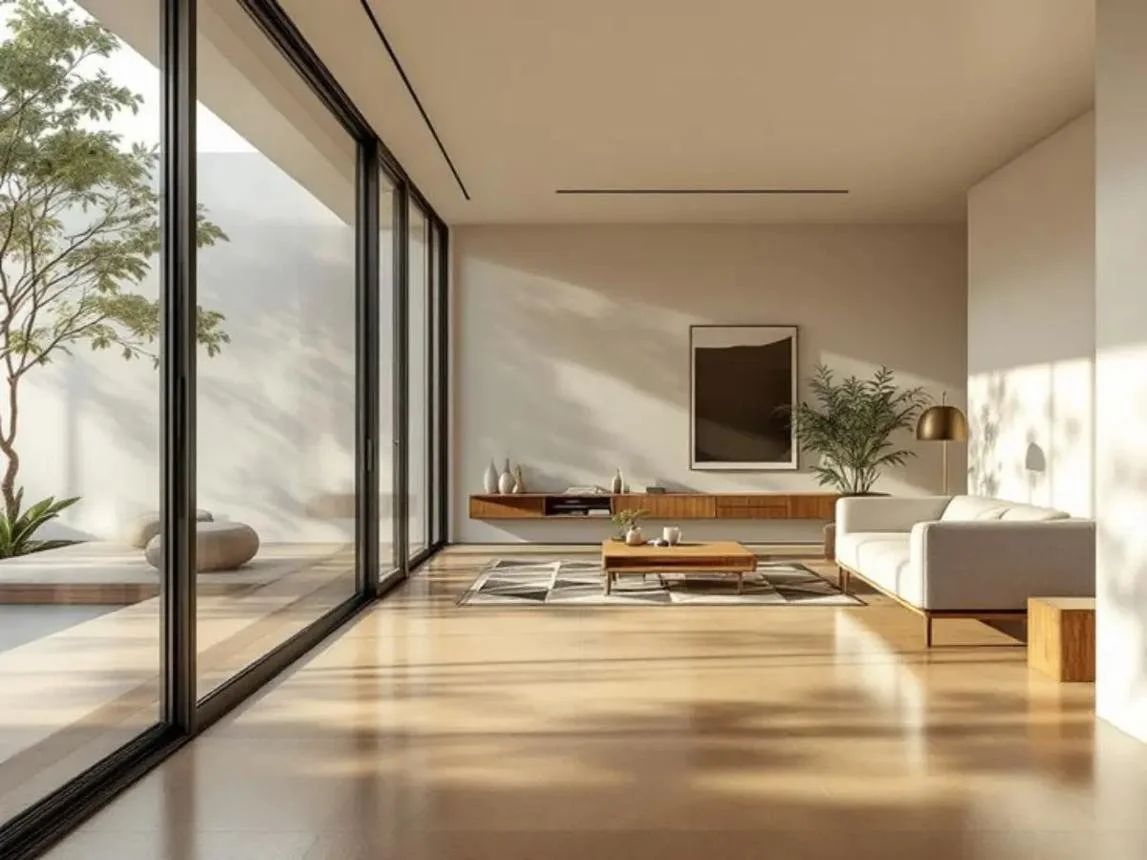
When daylight provides enough illumination, electric lighting can reduce or switch off.
Occupancy
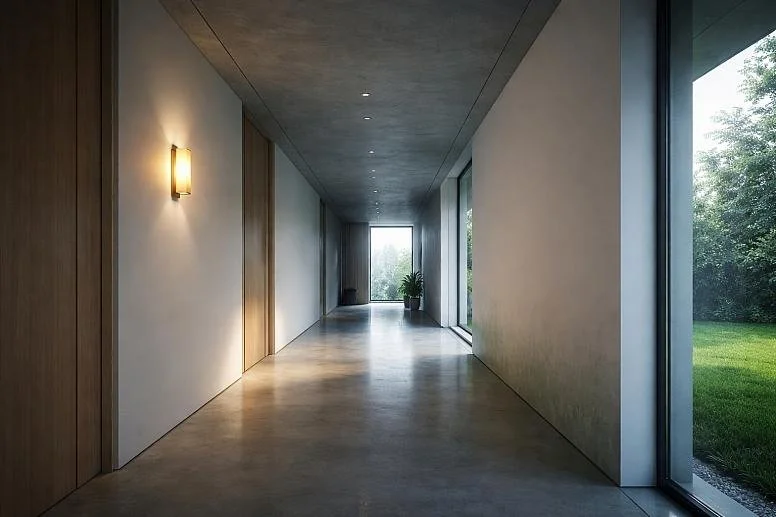
Sensors can switch off or dim lighting when a space is no longer occupied.
Dimming
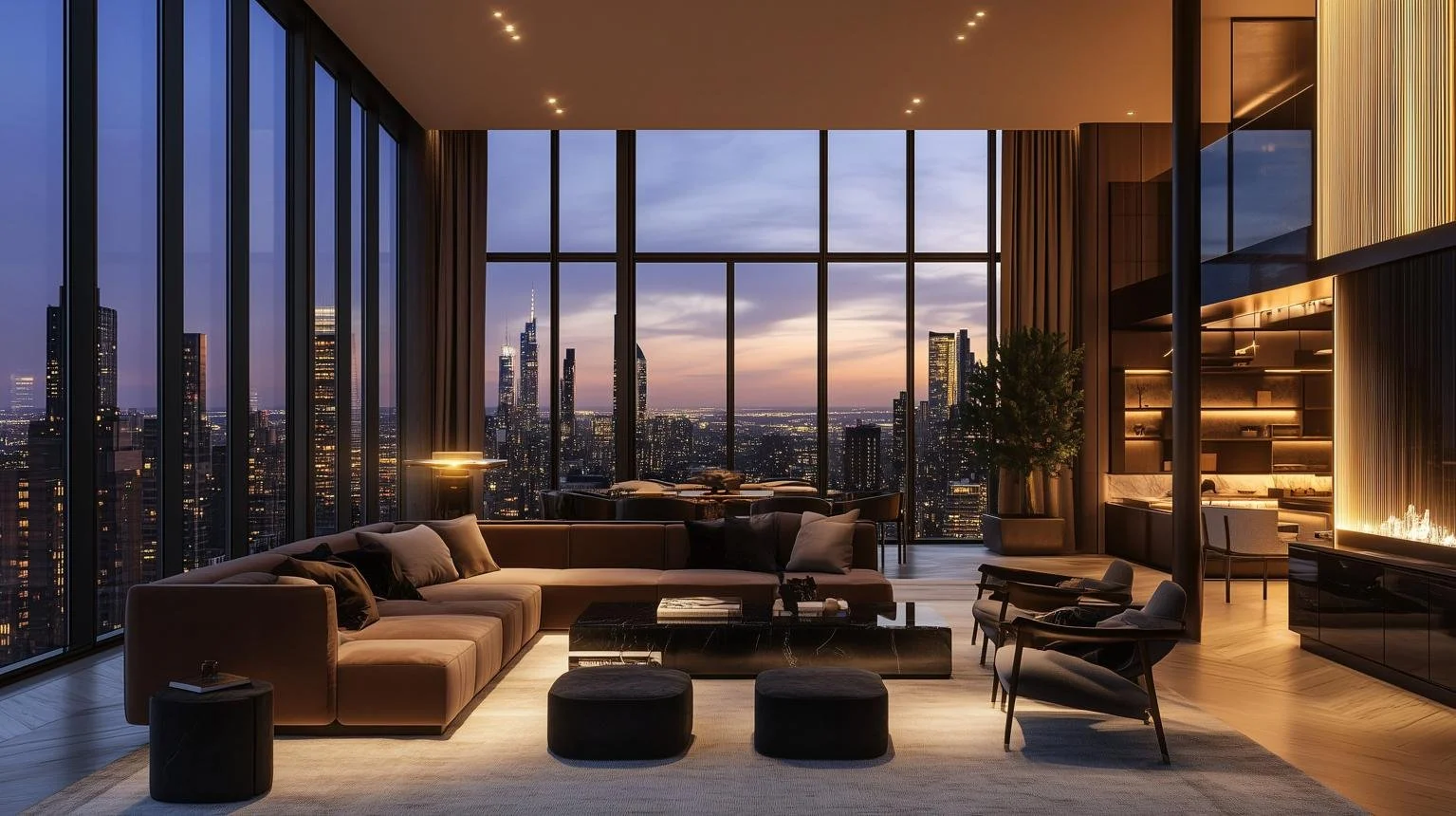
Light output can be matched to the task rather than always operating at full power.
Make better use of what is already there
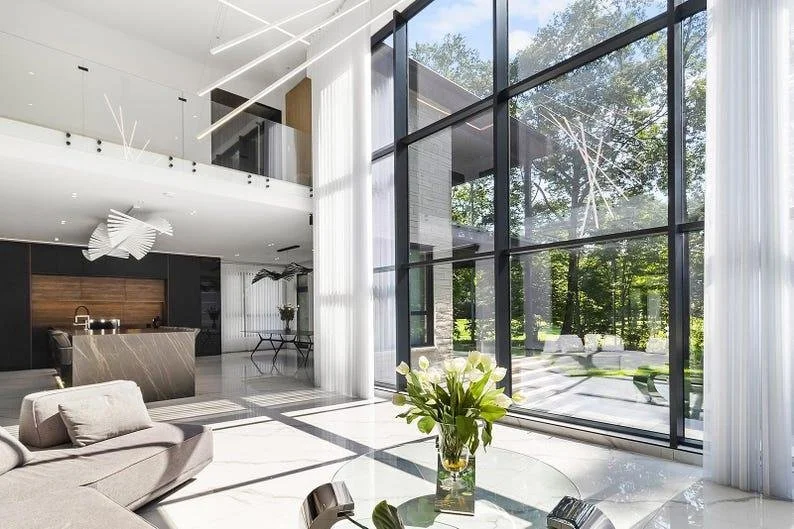
Natural daylight can do much of the work of illuminating a room. Coordinating lighting controls with daylight and automated window treatments can help a building respond more intelligently as conditions change
Less waste. Better use of light